
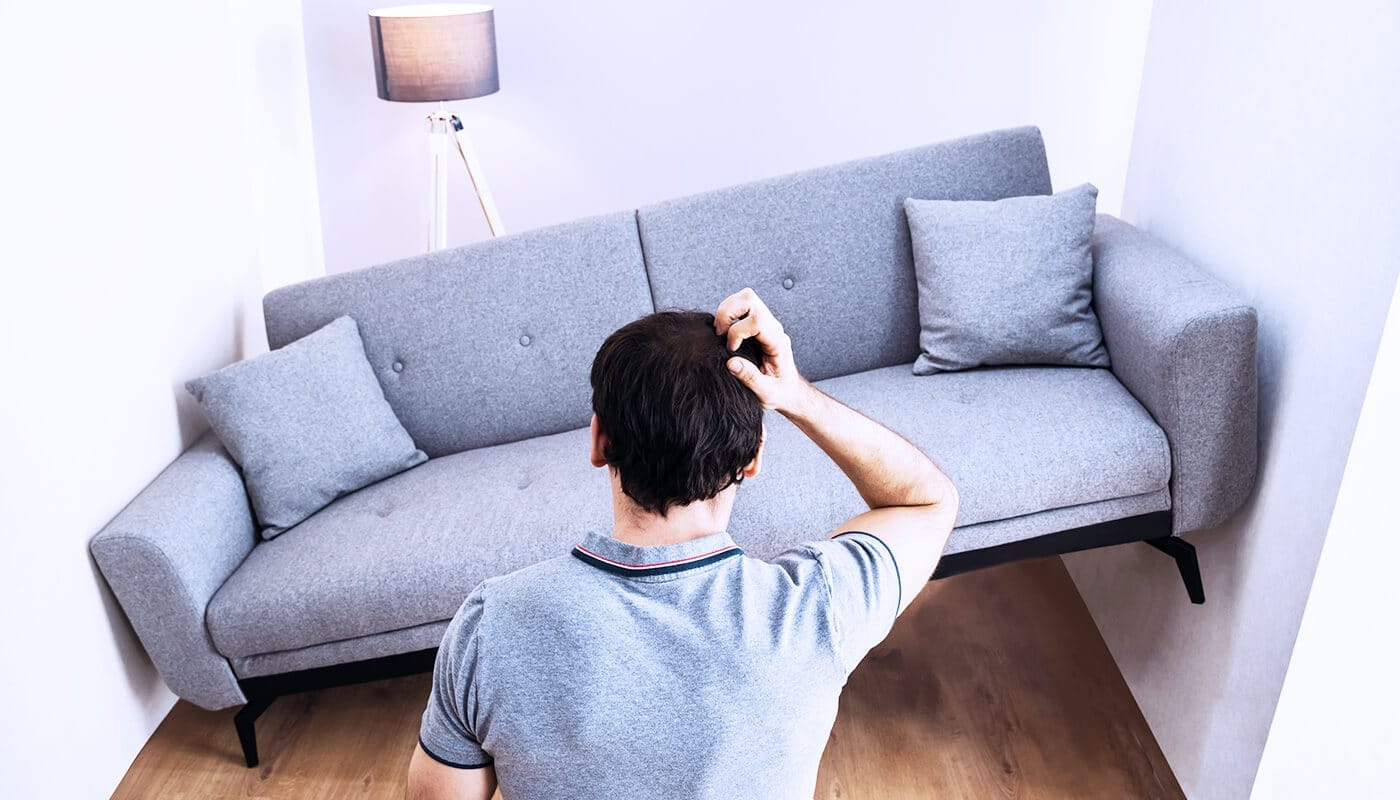
In today’s real estate market, buyers form quick impressions within seconds of seeing a home. This makes home staging crucial—it can facilitate a faster sale and higher offers when done correctly, while poor staging can deter buyers. Here are some key home staging tips to avoid those costly mistakes.
Ignoring Curb Appeal
The Mistake: You’ve perfected every room inside, but the exterior is overgrown, cluttered, or dated.
Why It Hurts: Buyers often drive by listings before booking a showing. If the exterior doesn’t impress, they may never make it through the front door.
How to Avoid It:
- Mow the lawn, trim shrubs, and plant seasonal flowers.
- Clean the driveway and power wash siding and walkways.
- Repaint the front door and replace worn hardware.
- Add warm, welcoming touches, such as a doormat or potted plants.
A tidy and inviting exterior sets a positive tone, encouraging buyers to explore further.
Leaving the House Too Personalized
The Mistake: Family photos, kids’ drawings on the fridge, religious items, and highly specific décor remain in full view.
Why It Hurts: Buyers need to be able to visualize themselves living in the space. Personal items make the home feel like your story, not theirs.
How to Avoid It:
- Remove family portraits and mementos.
- Neutralize quirky or polarizing artwork.
- Store toys, collections, and personalized signage.
- Choose décor that’s warm and unpersonal, such as cozy throws, modern artwork, and neutral colour palettes.
Buyers should be able to picture their own lives unfolding in your space.
Over-Staging (or Under-Staging)
The Mistake: You’ve gone to a full showroom, with every corner dressed to the nines. Or worse, you’ve left rooms empty.
Why It Hurts: Over-staging feels artificial and distracts from the home’s features. Under-staging leaves rooms feeling cold and without scale.
How to Avoid It:
- Highlight, don’t hide. Utilize furniture and décor to enhance the room’s functionality and layout.
- Keep it balanced. Each room should have a clear purpose, but not be cluttered or overdesigned.
- Avoid staging every single inch; leave room for imagination.
A few well-placed pieces can make a home feel both livable and aspirational.
Neglecting Lighting
The Mistake: Relying on dim overhead fixtures or leaving rooms dark during showings.
Why It Hurts: Poor lighting makes spaces feel smaller, drearier, and less inviting.
How to Avoid It:
- Open all curtains and blinds to maximize natural light.
- Replace burnt-out bulbs and opt for warm, bright lighting.
- Add lamps in dark corners to create ambiance and balance the space.
- Avoid cold, fluorescent lighting, as it can make rooms feel uninviting.
Bright spaces feel larger, cleaner, and more cheerful, which is precisely what buyers are looking for.
Ignoring Odours
The Mistake: Masking smells with strong air fresheners instead of addressing the source.
Why It Hurts: Lingering smells, such as pet odours, cigarette smoke, and mustiness, can be a significant red flag for buyers. It suggests neglect and hidden issues.
How to Avoid It:
- Deep clean carpets, drapes, and upholstery.
- Clean out the fridge and take out the trash before every showing.
- Use subtle scents, such as citrus or vanilla.
- Replace your furnace filters and consider having your ducts cleaned.
- Consider an ozone treatment or professional cleaning if needed.
A neutral-smelling home helps buyers focus on the space, rather than on the scent.
Too Much (or Too Little) Furniture
The Mistake: Cramming a room with oversized furniture, or stripping it down too much.
Why It Hurts: Overcrowded rooms feel cramped, while empty ones leave buyers uncertain about how to utilize the space.
How to Avoid It:
- Select furniture that’s proportionate to the size of each room.
- Create conversation zones in living areas.
- Remove excess pieces that block flow or natural pathways.
- Stage “problem” spaces (such as awkward nooks) with a purpose; consider creating reading corners or workstations.
Furniture should help buyers understand how to live in the home, not confuse them.
Bad Paint Choices
The Mistake: Bright colours, dark walls, or outdated faux finishes.
Why It Hurts: Paint is one of the most powerful (and affordable) staging tools. The wrong colours can make a home feel dated or smaller than it is.
How to Avoid It:
- Stick to soft neutrals like greys, beiges, or warm whites.
- Use paint to lighten dark rooms or unify spaces.
- Repaint bold accent walls or unique colour choices that won’t appeal to the average buyer.
Neutral walls let buyers focus on the home’s features, not your taste in colour.
Forgetting the Purpose of the Room
The Mistake: A dining room used as a home gym or a spare bedroom functioning as storage.
Why It Hurts: Buyers need to see a room’s intended function. If the purpose is unclear, they may undervalue the space or feel overwhelmed.
How to Avoid It:
- Return rooms to their original or most marketable use.
- Use multipurpose furniture to suggest flexibility.
- Keep staging functional and straightforward: a desk in a home office, a bed in a guest room.
Every room should tell a clear story: “This is how you’ll use me.”
Not Thinking About Flow
The Mistake: Bulky furniture blocking walkways, awkward layouts, or mismatched styles across rooms.
Why It Hurts: Poor flow disrupts the buyer’s ability to walk through the space naturally and see its full potential.
How to Avoid It:
- Arrange furniture to enhance sightlines and pathways.
- Remove anything that hinders movement.
- Create consistency in design between rooms: use cohesive colour palettes, similar décor styles, and logical layout transitions.
A home that flows well feels bigger, calmer, and more thoughtfully designed.
Do It Yourself (DIY) Overload
The Mistake: Mismatched furniture, amateur furniture, artwork, or makeshift décor may seem crafty and quirky, but it screams “homemade.”
Why It Hurts: Buyers want to see a professionally presented home. And a DIY home staging can go wrong and make your home look cheap or cluttered.
How to Avoid It:
- Invest in a few high-impact staging elements, such as modern linens, clean-lined furniture, and simple wall art.
- Think about working with a professional stager, even for a consultation.
- Stick to neutral, classic choices that appeal to the broadest audience.
A polished presentation instills confidence and makes your listing stand out from the crowd.
Staging is about Presentation
Home staging is not about deception; instead, it focuses on effective presentation. When done correctly, it highlights a home’s most attractive features while subtly downplaying any peculiarities. This approach helps potential buyers form a deeper emotional connection with the space.
Even the most minor mistakes can derail what could be an exceptional home listing. By following essential home staging tips, you can steer clear of common pitfalls. Thoughtful enhancements can significantly improve your home’s marketability. This strategic approach can be transformative, allowing your property to sell more quickly and at a higher price in today’s real estate market.
Get Tips and Advice on how to Stage your House
To elevate your home staging experience and maximize your property’s appeal, consider reaching out to one of our professional REALTORS® who specializes in the art of staging homes. Their expertise can provide you with additional home staging tips and techniques to showcase your space in the best light.
Contact one of our Fully-licensed REALTORS® today!
Are you seeking an experienced REALTOR® who specializes in the Windsor and Essex County real estate markets? At Royal LePage Binder Real Estate, our agents are focused on helping you unlock your future.